Beyond the Screen: A Dialogue on History and Health
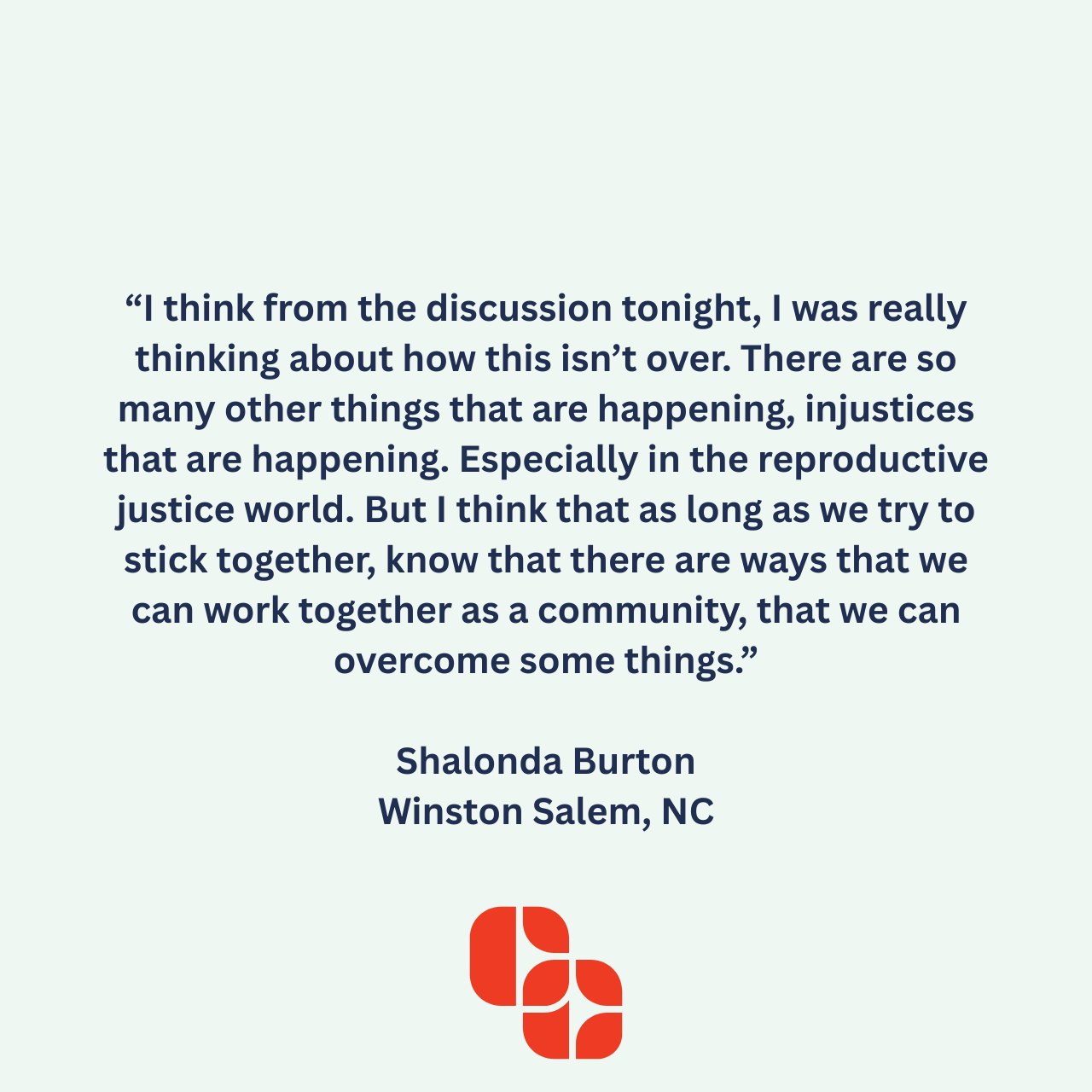
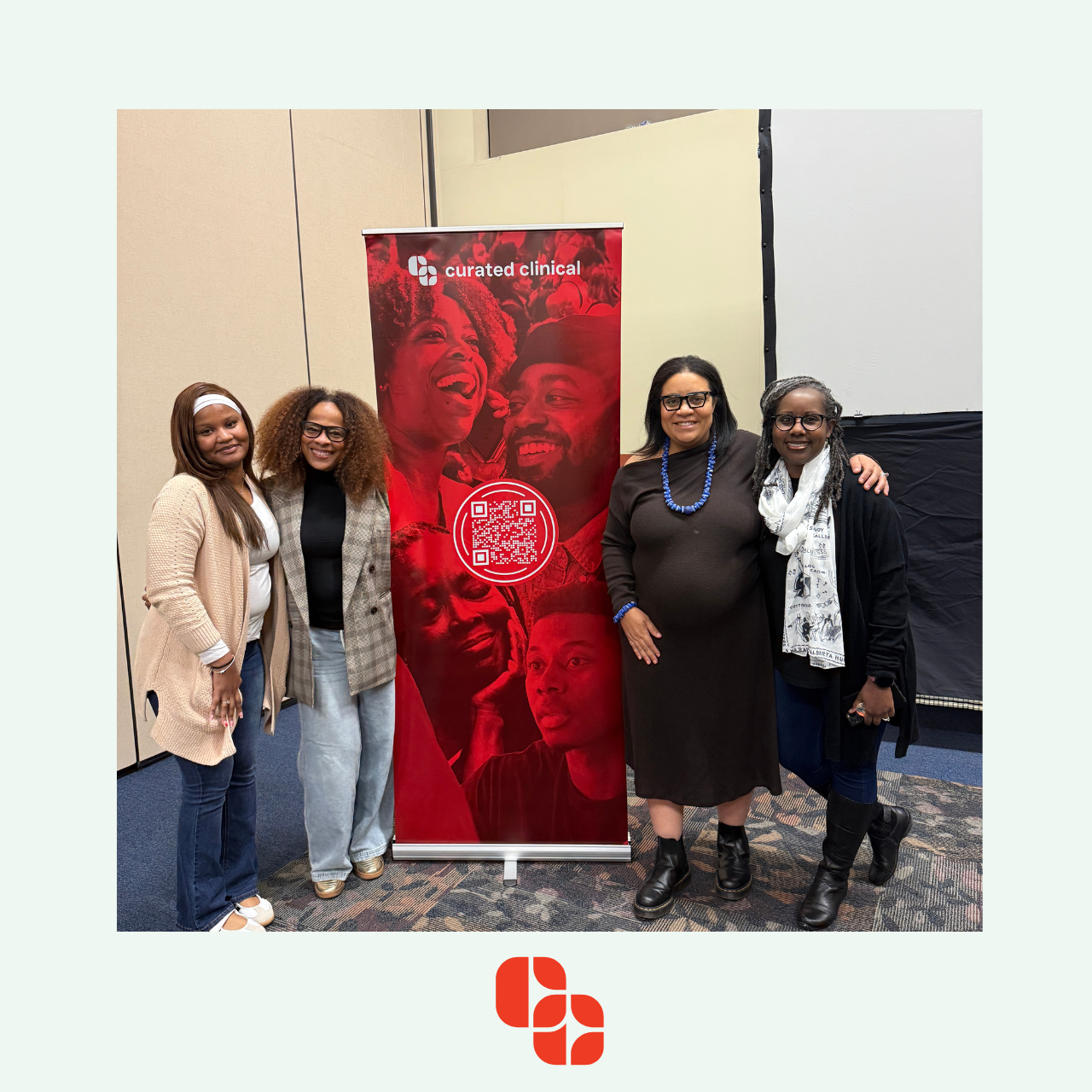
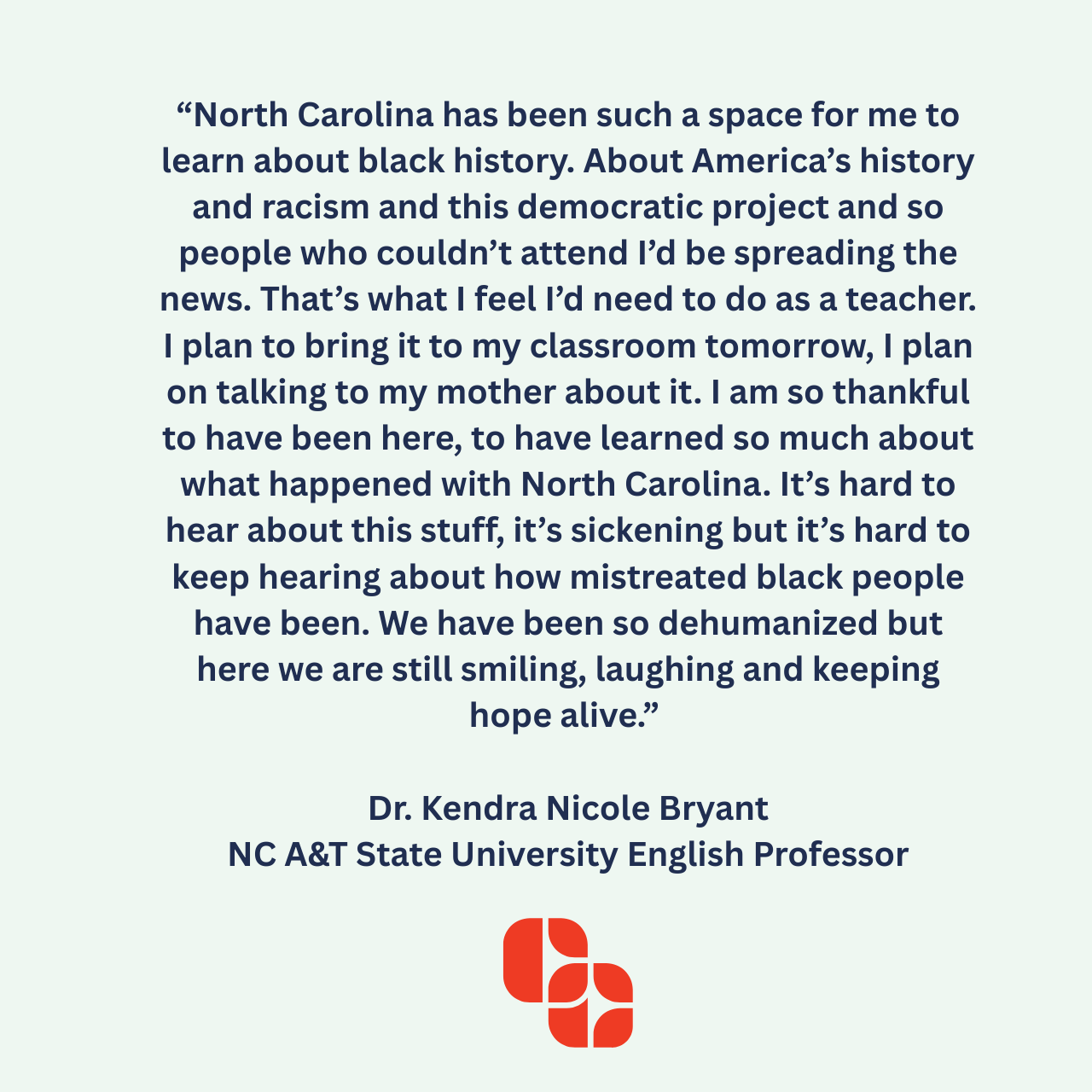
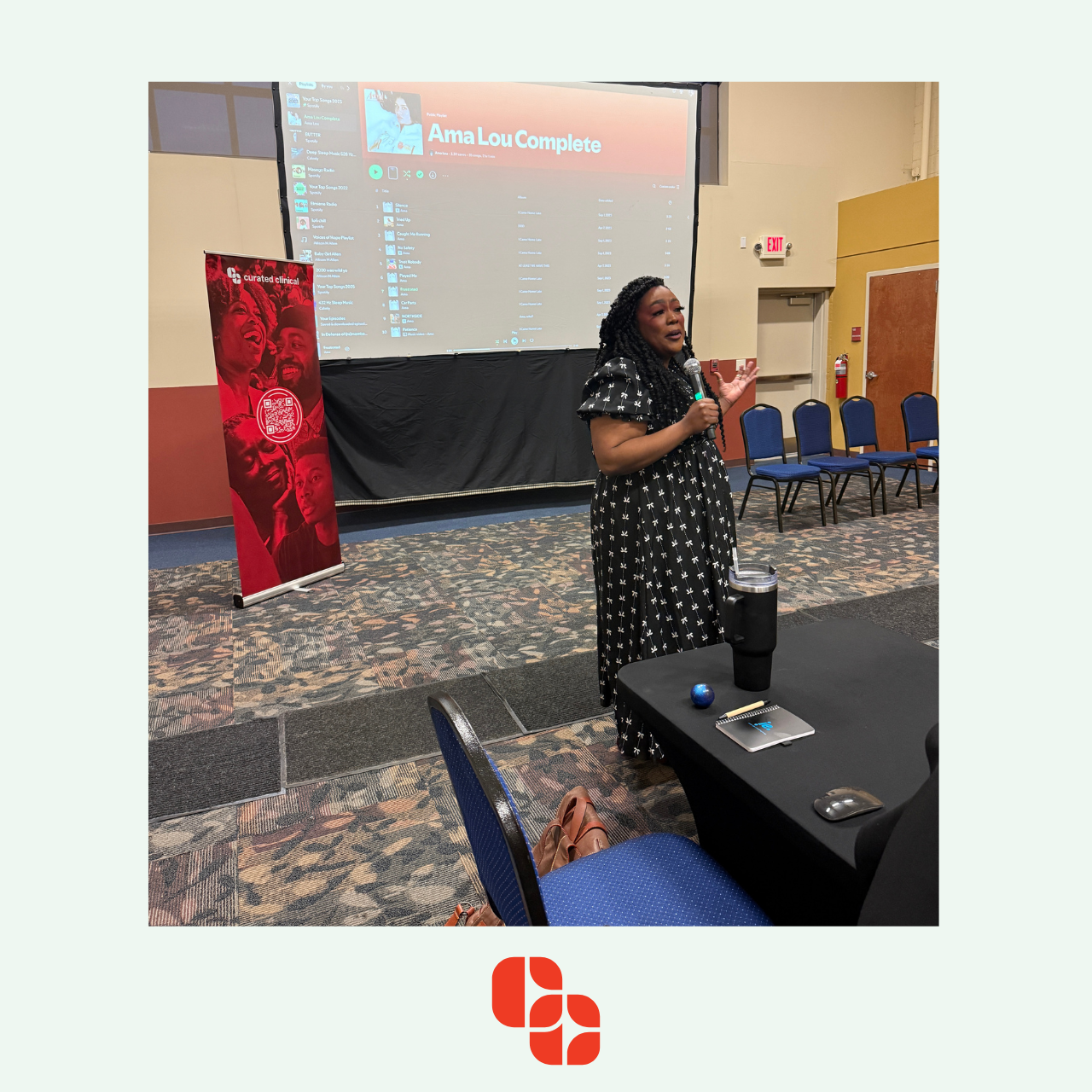
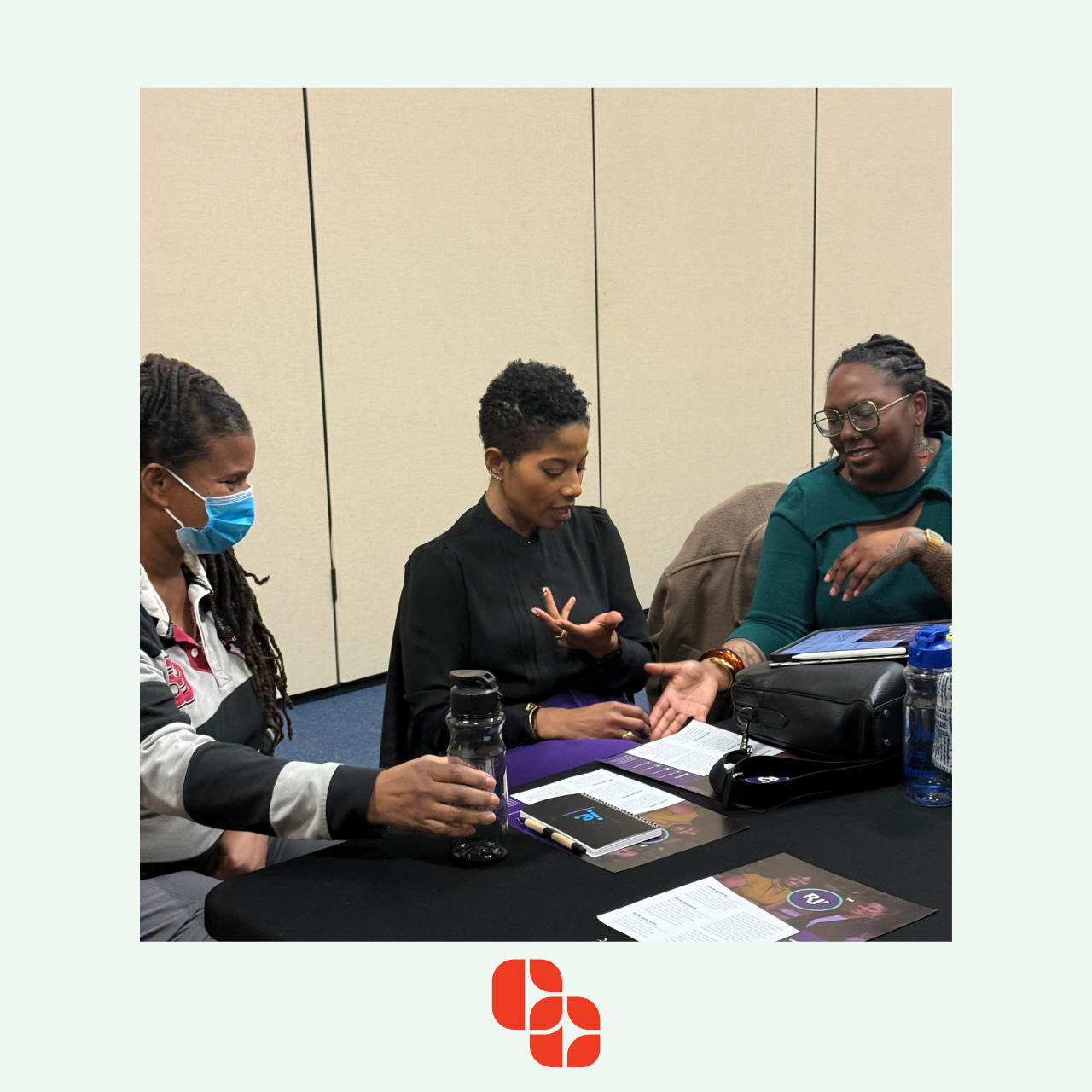
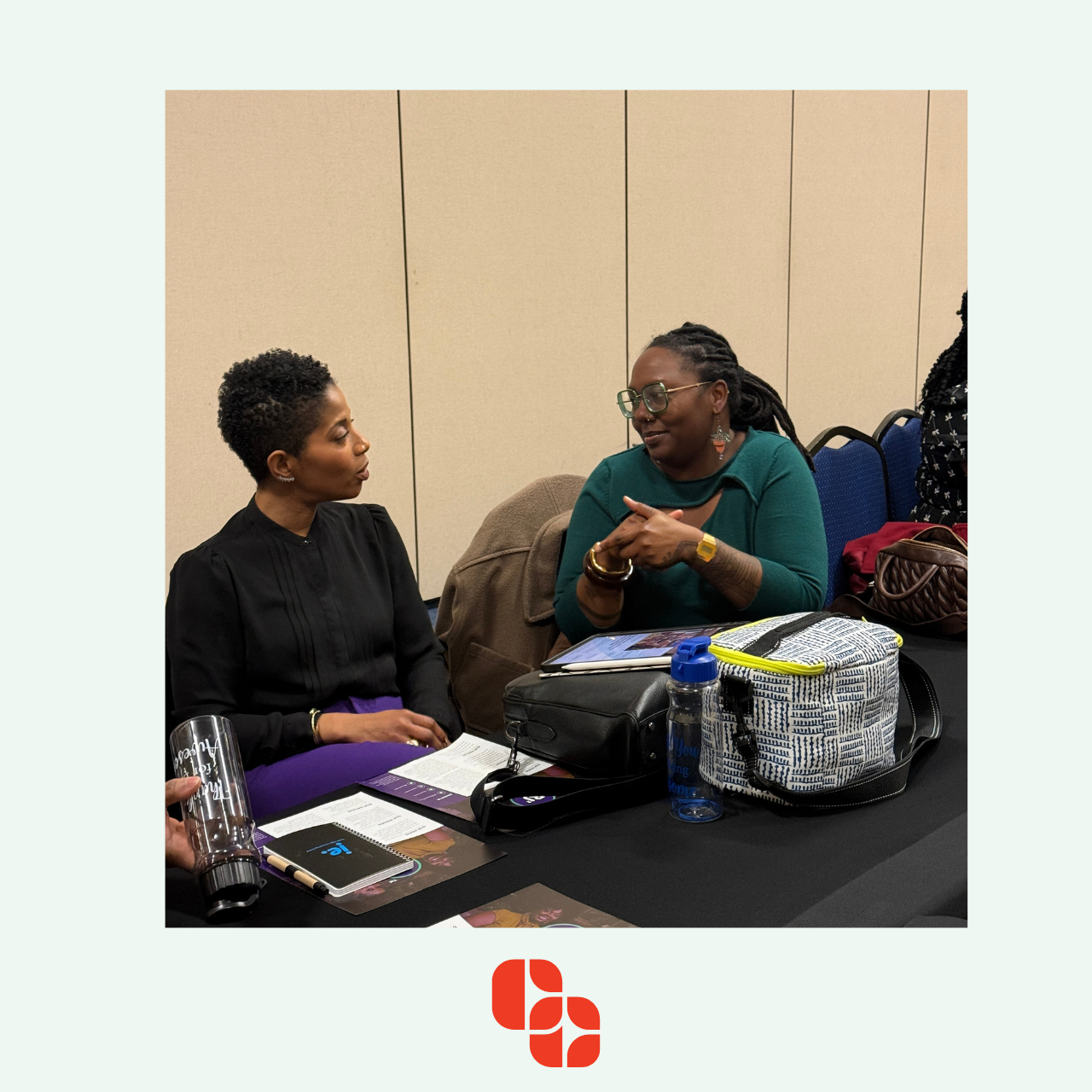
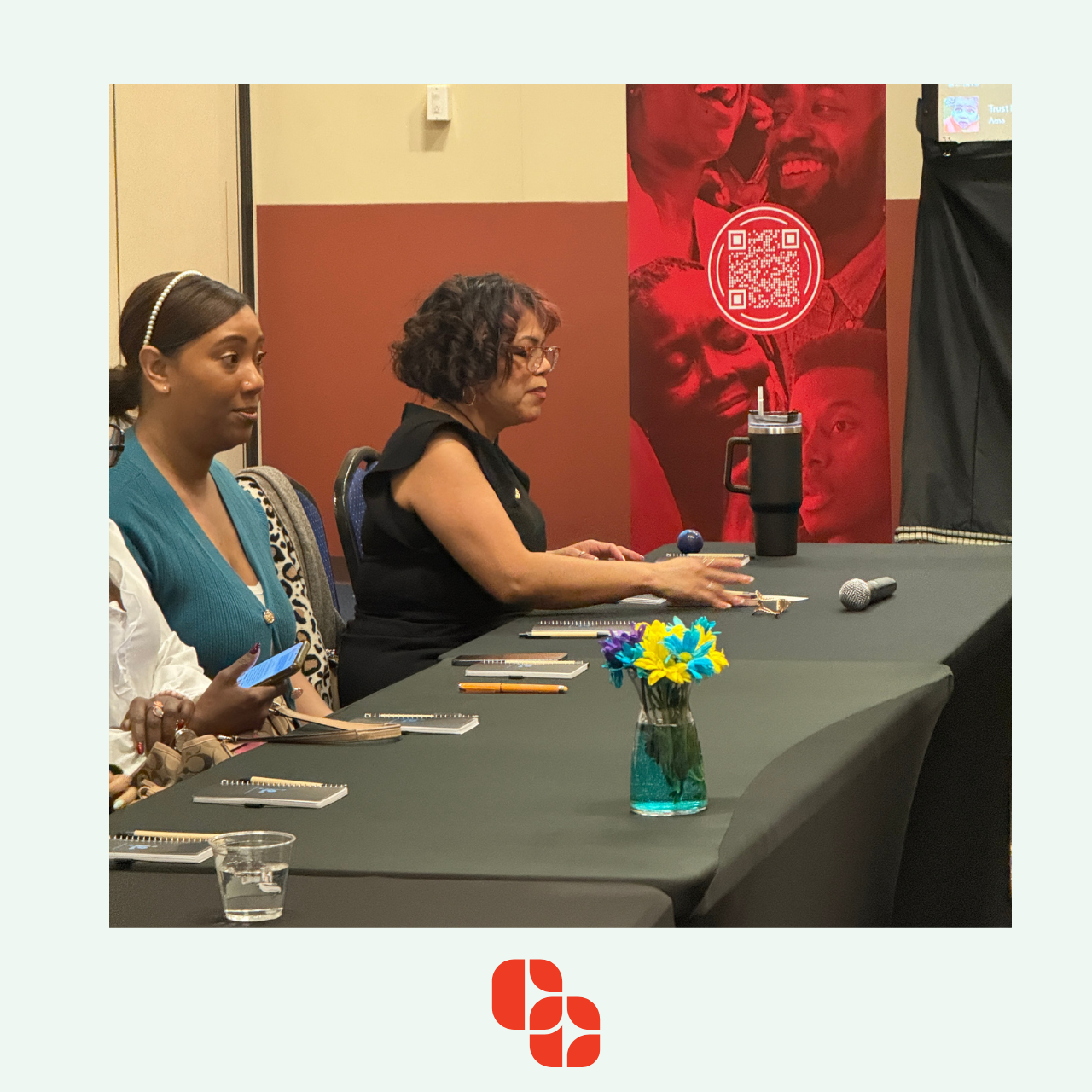
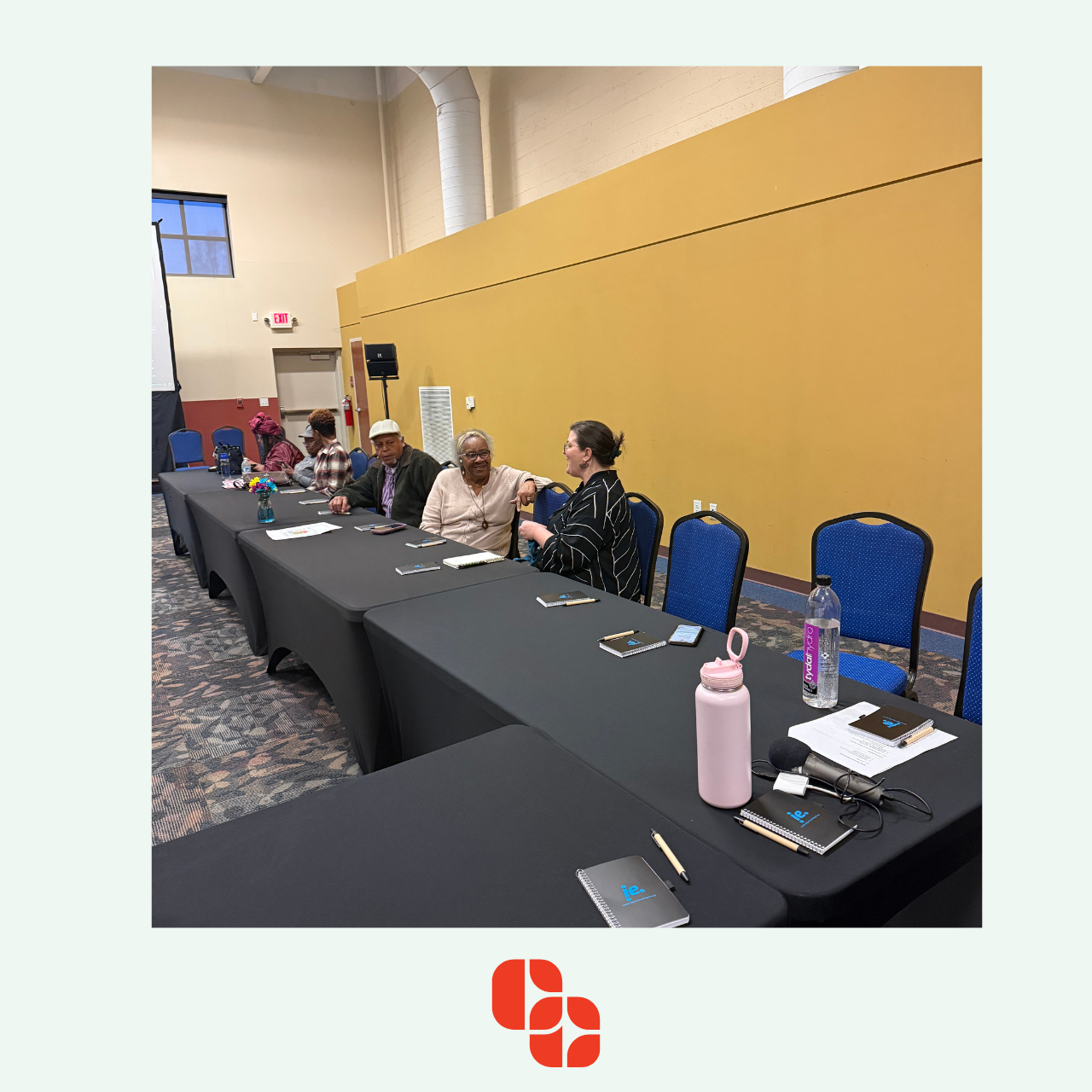
Last Wednesday, Curated Clinical and Triad Cultural Arts hosted a screening of Wicked Silence, a powerful documentary that uncovers the history of North Carolina’s eugenics program. What followed was not simply a film viewing, but a thoughtful community discussion about the legacy of medical injustice and its lasting impact on public trust in healthcare.
For many in attendance, the film served as more than a history lesson. It was a necessary deep dive into the roots of medical mistrust, particularly among communities that have historically been marginalized or exploited by medical systems.
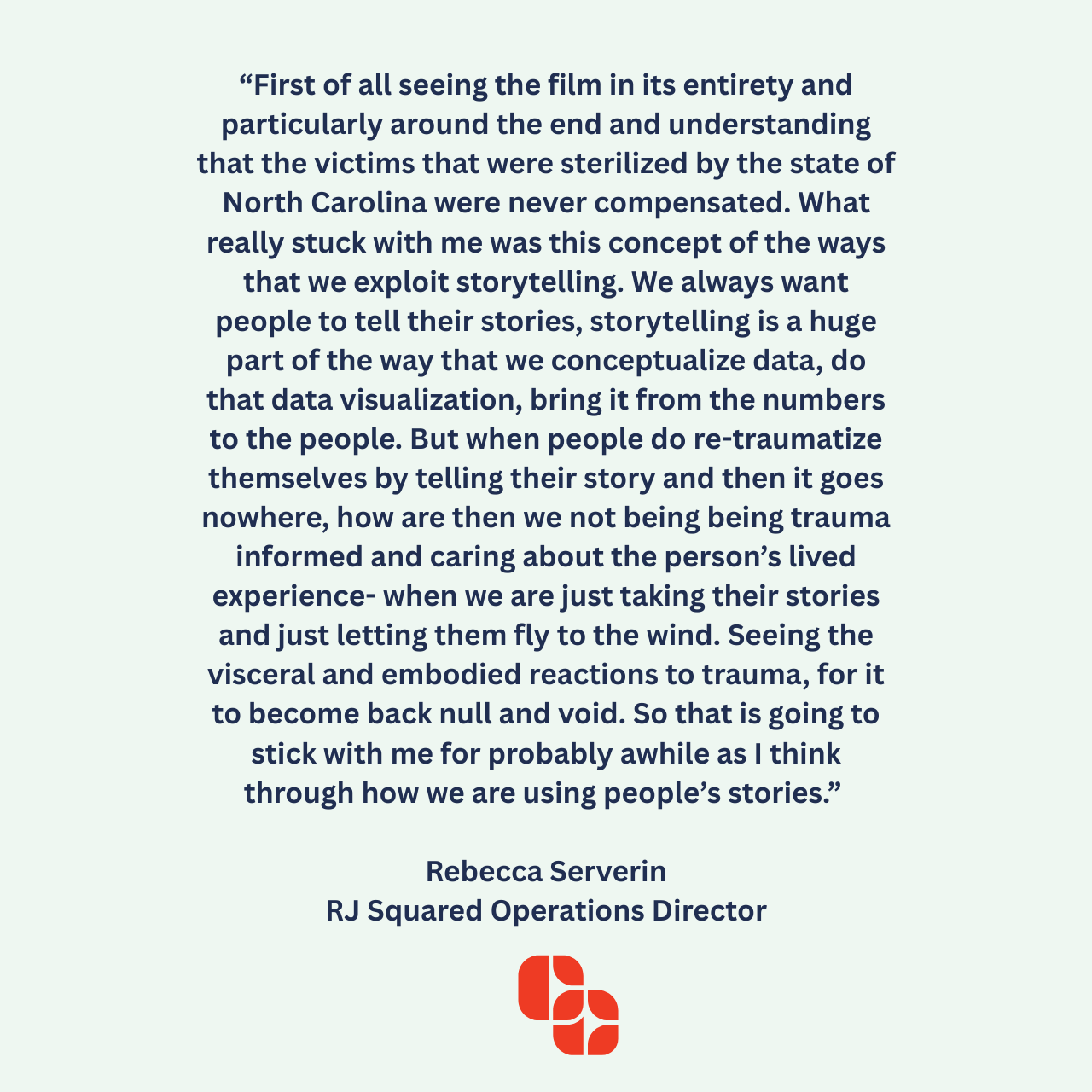
The film centers the voices of those impacted by the North Carolina Eugenics Program, which authorized the sterilization of more than 7,600 people. Those targeted were disproportionately Black women, people living in poverty, and individuals the state labeled “unfit.”
Understanding this history is essential for anyone working to improve participation in modern clinical research. For individuals considering clinical trials today, the memory of programs like this, along with other well-documented abuses in medical history—continues to shape how communities view healthcare institutions.
The documentary Wicked Silence provides critical context for these conversations. It reminds us that mistrust does not emerge in a vacuum; it is rooted in real experiences and policies that caused lasting harm.
Events like last week’s screening create space to acknowledge that history openly. By engaging with these stories, healthcare professionals, researchers, and community leaders can begin rebuilding trust through transparency, accountability, and meaningful dialogue.
At its core, the goal is clear: to ensure that the clinical process is transparent, ethical, and community-centered so that history never repeats itself.